How to Analyze Forex Charts on Travia: Full Tools Guide
Complete walkthrough of Travia chart analysis tools - timeframes, indicators, drawing tools, and layout presets explained step by step.
The Pin Bar Reversal Strategy: How to Catch Trend Reversals in Forex
Learn how to trade the pin bar reversal pattern in forex. This guide covers bullish and bearish pin bars, entry and stop placement, risk management rules, and how to combine pin bars with Travia's forward-testing tools.
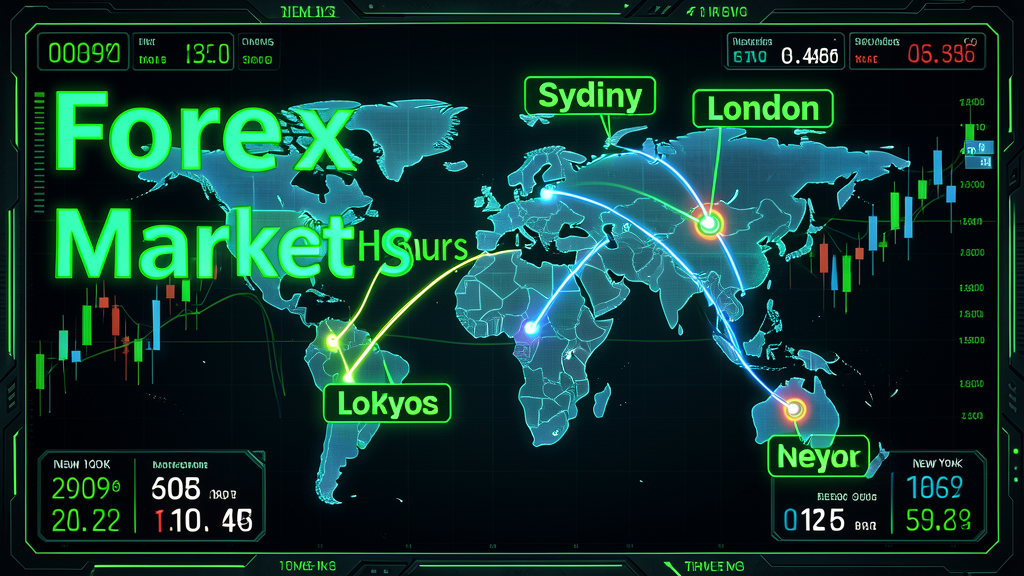
Forex Market Hours: The Best Times to Trade Major Currency Pairs
Learn when to trade each forex session. A complete guide to Sydney, Tokyo, London, and New York market hours, session overlaps, and building a trading schedule that works.
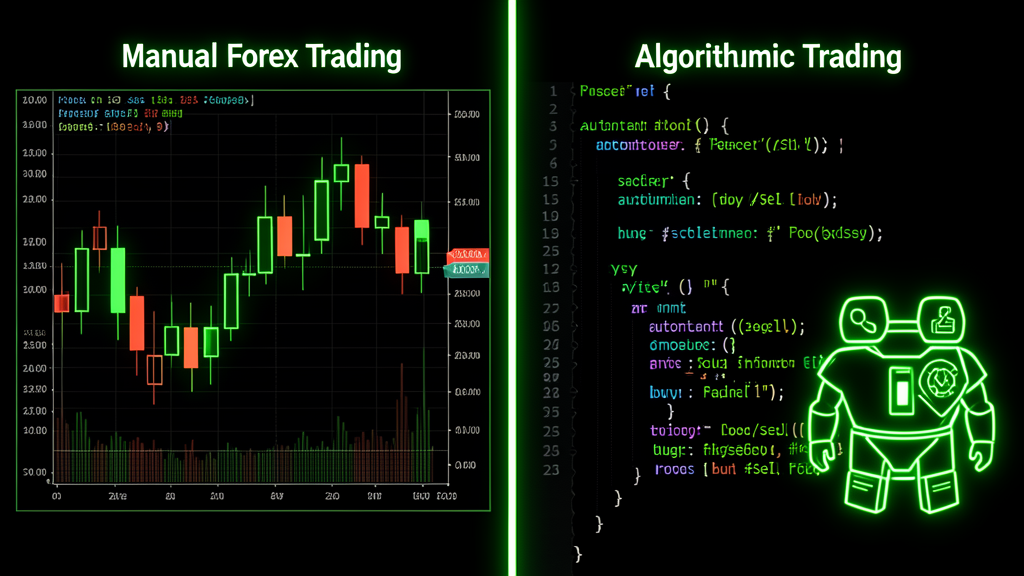
Manual vs Algorithmic Forex Trading: Which Path Is Right for You?
Should you trade forex manually or let algorithms do the work? We break down the pros, cons, and profitability of each approach to help you decide which path fits your trading style.
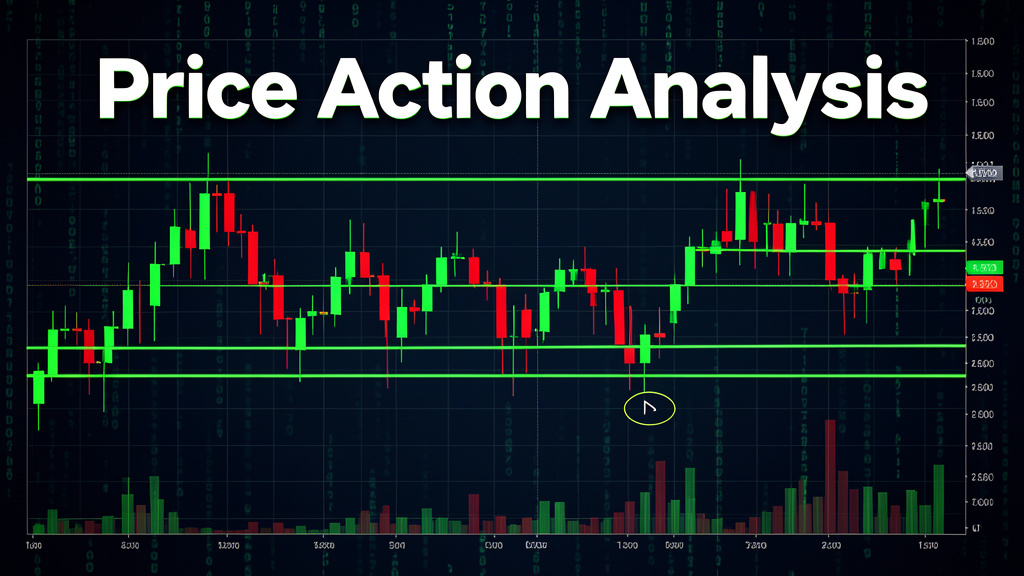
How to Read Forex Price Action: A Beginner's Guide to Market Analysis
Master the art of reading forex price action with this beginner-friendly guide. Learn to identify trends, support and resistance, candlestick patterns, and market structure without lagging indicators.

Master Your Emotions: A Trader's Guide to Forex Trading Psychology
Learn how to master forex trading psychology - the hidden edge that separates profitable traders from the rest. Conquer fear, greed, and discipline with actionable strategies.
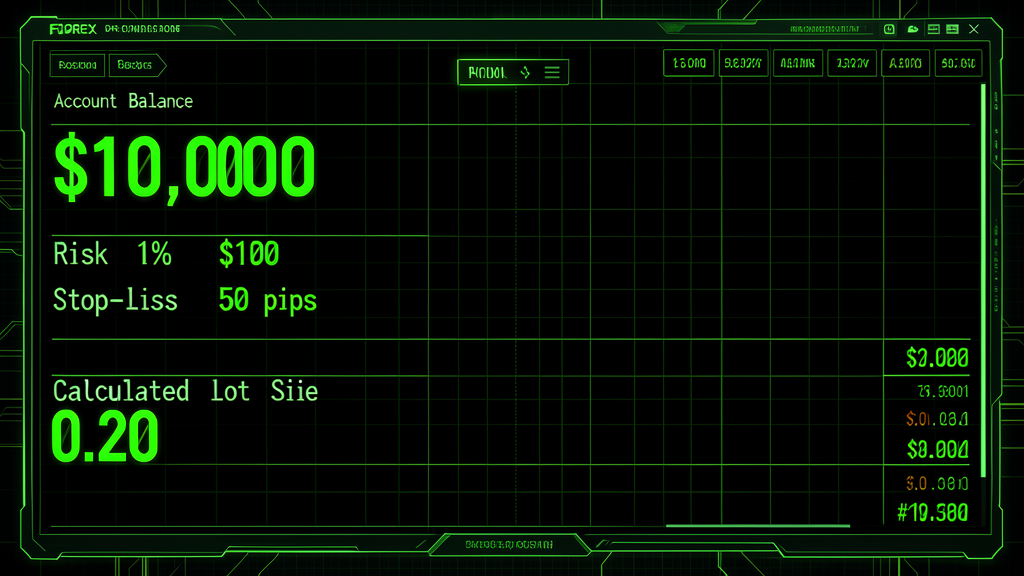
The Complete Guide to Forex Position Sizing: Protect Your Capital \& Maximize Returns
Learn how proper forex position sizing protects your trading account from ruin while maximizing growth. Includes the fixed percentage, Kelly criterion, and volatility-based methods.
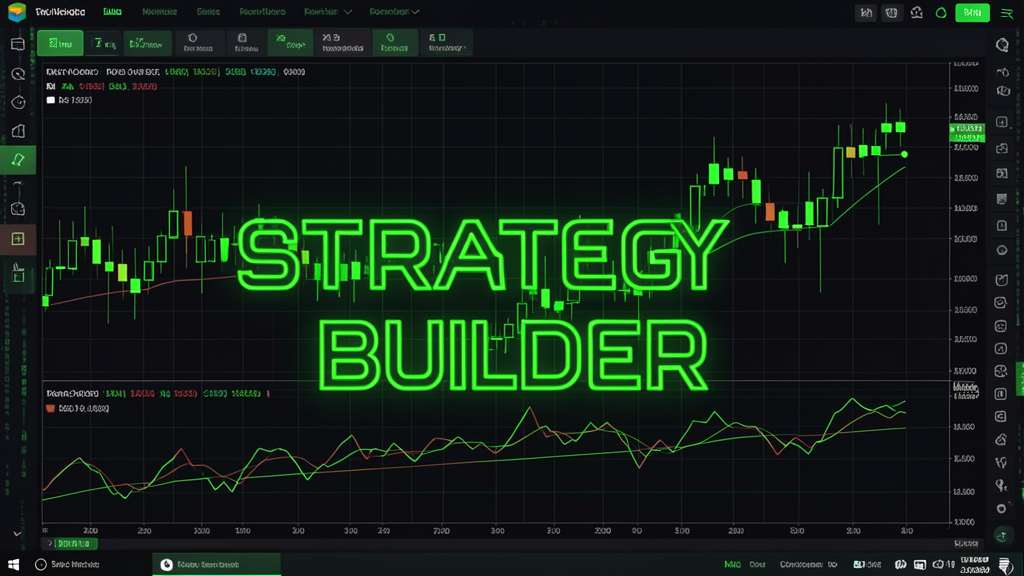
How to Build Your First Forex Trading Strategy on Travia (No Coding Required)
Learn how to build, backtest, and paper-trade your first forex trading strategy on Travia - no coding required. A step-by-step guide for beginners.
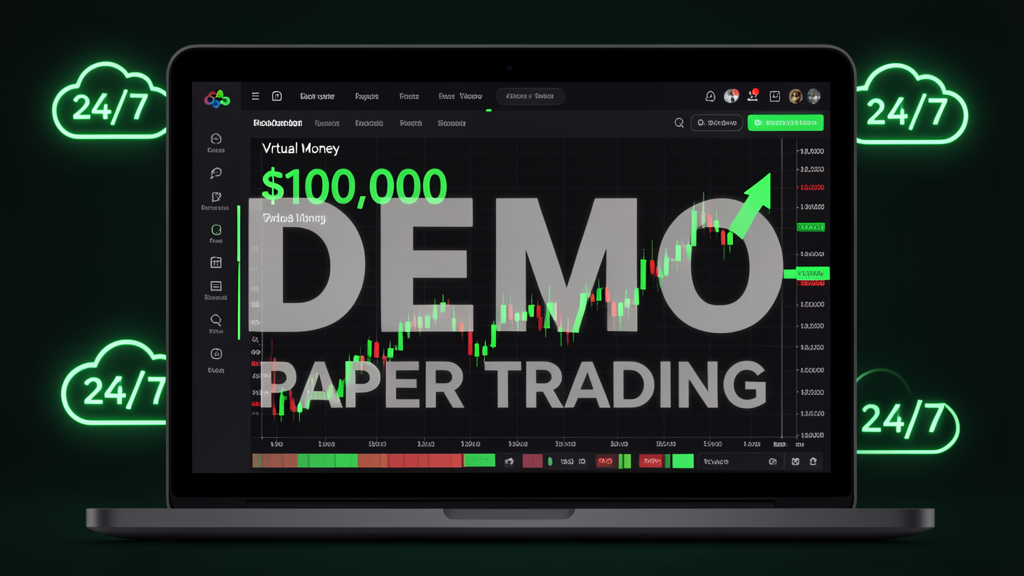
What Is Paper Trading in Forex? A Complete Guide for 2026
Paper trading lets you test strategies with virtual money before risking real capital. Learn how Travia's paper trading environment works, how to set up your first forward test, and why this practice is essential for developing profitable trading systems.
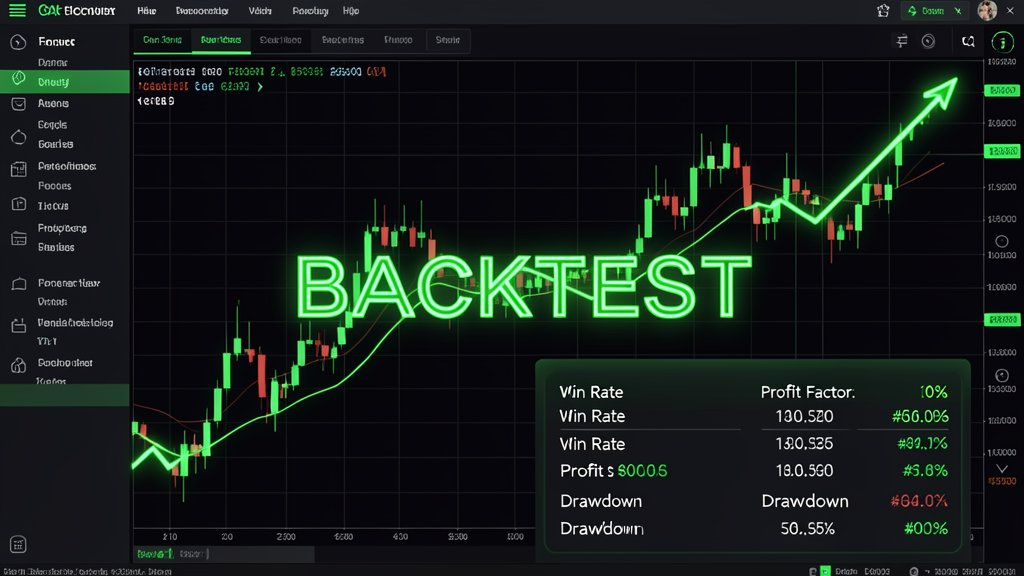
How to Backtest a Forex Trading Strategy: The Definitive Guide
Backtesting is the most important step in strategy development. This guide covers everything from choosing the right timeframes and indicators to interpreting win rates, profit factors, and drawdown metrics using Travia's backtesting engine.
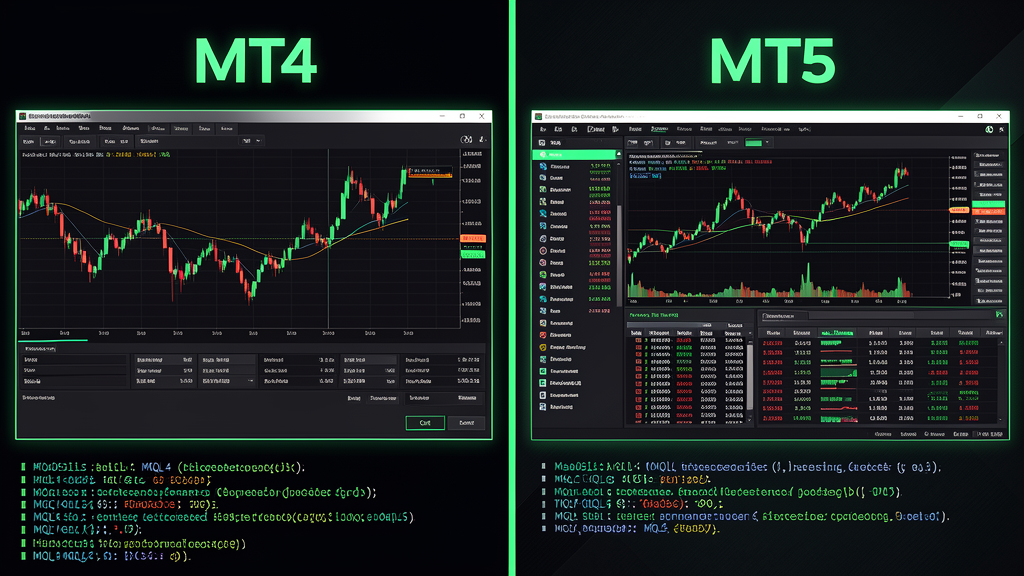
MT5 vs MT4 for Algorithmic Trading: Which Platform Wins in 2026?
MetaTrader 5 brings significant improvements over MT4 for automated trading, including more timeframes, advanced order types, and a faster backtesting engine. Compare the pros and cons of each platform for your algo trading needs.