MT5 vs MT4 for Algo Trading: Which Platform is Better in 2026?
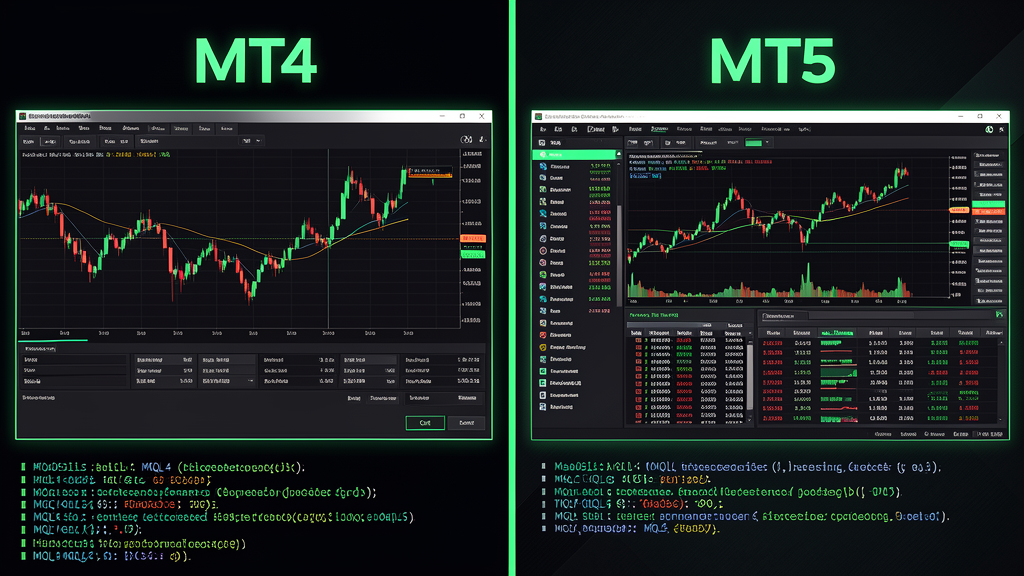
The debate between MT5 vs MT4 for algo trading has been running for years. MetaTrader 4 (MT4) is the veteran — launched in 2005, it's still the most popular forex trading platform worldwide. MetaTrader 5 (MT5) is the successor, designed from the ground up for multi-asset, multi-threaded trading.
If you're building algorithmic trading strategies in 2026, which one should you choose? Let's break it down.
Key Differences at a Glance
Programming Language
MT4 uses MQL4 — a C-like language that's relatively simple but limited in modern programming features. It's great for beginners but can be frustrating for complex strategies.
MT5 uses MQL5 — a much more powerful language with object-oriented programming, better memory management, and built-in technical indicators. If you know C/C++, you'll feel right at home.
Backtesting Performance
This is where MT5 absolutely crushes MT4. The MT5 Strategy Tester is multi-threaded, meaning it can use all cores of your CPU simultaneously. MT4 is single-threaded. The result? MT5 can backtest the same strategy 3-10x faster, especially with tick data.
MT5 also supports multi-currency backtesting in a single pass — a feature MT4 simply cannot do natively.
Timeframe and Data
MT4 supports 9 timeframes and uses only OHLC (Open, High, Low, Close) data for backtesting. MT5 supports 21 timeframes and can use real tick data for maximum accuracy. If your strategy relies on precise entry and exit points, MT5's tick-level backtesting is essential.
Asset Coverage
MT4 was built for forex, CFDs, and futures — but it's primarily a forex platform. MT5 supports everything: forex, stocks, commodities, futures, options, and even cryptocurrencies. It's a true multi-asset platform.
Market Depth and Order Types
MT4 has limited order types (market, limit, stop, OCO). MT5 adds buy-stop-limit, sell-stop-limit, and supports full market depth (Depth of Market). For algo traders, more order types mean more sophisticated strategy logic.
When to Choose MT4
- You're a beginner: MQL4 is easier to learn, and there are thousands of existing Expert Advisors (EAs) and indicators to reference
- Your broker only supports MT4: Many brokers still haven't migrated to MT5, especially in the retail forex space
- You need community support: The MT4 community is massive. Forums, code libraries, and tutorials are abundant
- Simple strategies: If your strategy is straightforward (one pair, simple indicators), MT4 is perfectly adequate
When to Choose MT5
- You need speed: MT5's multi-threaded backtesting is a game-changer for iterative strategy development
- Multi-asset or multi-pair strategies: MT5 handles multiple instruments in a single backtest natively
- Tick-level accuracy: For high-frequency or scalping strategies, MT5's tick data is non-negotiable
- Future-proofing: MetaQuotes is investing in MT5, not MT4. MT4's days are numbered
- Advanced MQL5 features: Object-oriented code, custom indicators with full API access, and hedge/netting modes
The Travia Advantage
Whichever platform you choose, you need a reliable way to run your strategies 24/7 without keeping your computer on. Travia runs your MT4 and MT5 Expert Advisors in the cloud with:
- 24/7 uptime — no more worrying about internet drops or power outages
- Real-time forward-testing with live market data
- Detailed performance analytics and equity curves
- Support for both MQL4 and MQL5 EAs side by side
- Affordable plans starting at free