What Is Paper Trading in Forex? A Complete Guide to Risk-Free Strategy Testing
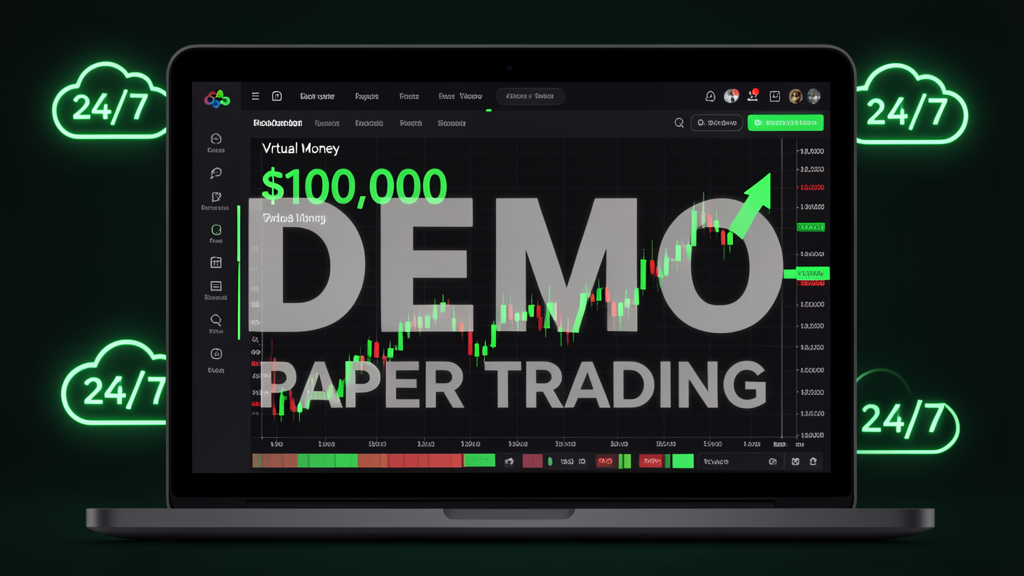
If you've ever asked "what is paper trading forex?" — you're not alone. Paper trading, also called forward testing or demo trading, is the practice of executing trades with virtual money in real-time market conditions. It's the bridge between a backtested strategy and live trading with real capital.
In this guide, we'll cover everything you need to know about paper trading forex strategies, why it's essential, and how to do it properly.
Paper Trading vs Backtesting: What's the Difference?
Many traders confuse backtesting with paper trading. They serve different purposes:
- Backtesting: Running your strategy against historical data. It's fast — you can test years of data in minutes. But it can be misleading due to look-ahead bias and overfitting.
- Paper Trading (Forward Testing): Running your strategy on LIVE market data in real-time, but with virtual money. It's slower (you need to wait for real market conditions to play out), but it's the most honest test of whether your strategy actually works.
Think of backtesting as your first filter and paper trading as your final exam. A strategy that passes both has a fighting chance in live markets.
Why Paper Trading Matters
1. Validates Your Backtest Results
Backtesting has blind spots — slippage, spreads widening during news, order execution delays, and the emotional factor. Paper trading exposes these issues. If your strategy had a 3:1 risk-reward ratio in backtesting but your paper trades are only getting 2:1 because of slippage, you need to know before going live.
2. Tests Your Infrastructure
Does your VPS stay connected 24/7? Does your Expert Advisor handle broker reconnections properly? Does your strategy behave differently during high-impact news events? Paper trading answers these questions.
3. Builds Confidence
Trading is psychological. Paper trading lets you build confidence in your strategy and your execution without the emotional weight of real money. It's especially valuable if you're new to algorithmic trading.
4. Uncovers Hidden Strategy Flaws
Sometimes a strategy looks great on paper (pun intended) but fails in practice. Maybe it uses an indicator that repaints. Maybe the entry logic is ambiguous in certain market conditions. Paper trading reveals these issues.
How to Paper Trade Forex Strategies Properly
Step 1: Use a Demo Account
Most brokers offer free demo accounts with virtual balances of $10,000 to $100,000. Open a demo account that mirrors your intended live account (same broker, same platform, same leverage).
Step 2: Treat It Like Real Money
This is the hardest part. It's easy to take reckless risks with virtual money. But if you do that, you're not really testing your strategy — you're just gambling. Set the same risk parameters you'd use in a live account: 1-2% risk per trade, proper position sizing, and realistic stop losses.
Step 3: Paper Trade for a Meaningful Period
Don't stop after a week. You need to see your strategy perform across different market conditions — trending, ranging, high volatility, low volatility. A good rule of thumb is 1-3 months of paper trading, or at least 50-100 trades.
Step 4: Track Everything
Log every trade: entry, exit, slippage, emotions, news events, and any deviations from your strategy rules. This data is gold for refining your approach.
Why Cloud-Based Forward Testing Changes the Game
Traditional paper trading requires your computer to be on 24/7, connected to the internet, with MetaTrader running. That's impractical. If your computer goes to sleep, you miss trades. If your internet drops, your forward test is incomplete.
This is where Travia comes in. Travia runs your MT4 and MT5 Expert Advisors in the cloud:
- 24/7 uptime with enterprise-grade hosting
- No need to keep your computer on
- Detailed performance analytics with equity curves, drawdown reports, and trade logs
- Forward-testing alongside backtesting in one platform
- Start for free, upgrade as your strategy grows
Paper Trading Checklist
- [ ] Open a demo account with realistic settings
- [ ] Define exact risk parameters (position size, max drawdown, daily loss limit)
- [ ] Run your EA or execute manual trades for at least 1 month
- [ ] Track all slippage, execution delays, and technical issues
- [ ] Compare results to your backtest expectations
- [ ] Adjust strategy based on paper trading findings
- [ ] Only then — go live with a small account